
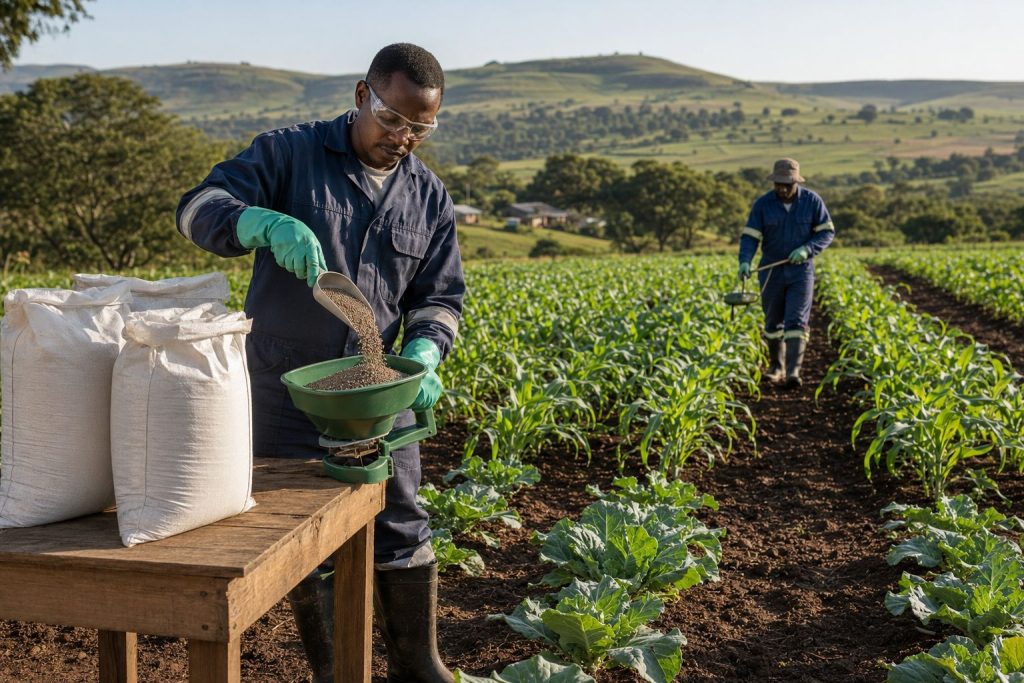
Healthy crops can quickly become damaged when pests, diseases or weeds are not identified early. These problems may reduce plant growth, affect crop quality and lead to lower yields.
Effective crop protection does not depend on one product alone. It combines prevention, regular field inspection, good farm hygiene, crop rotation and appropriate control measures.
This guide explains how farmers can recognise common warning signs and respond responsibly before problems spread.
Understanding Pests, Diseases and Weeds
Although pests, diseases and weeds can all affect crops, they are different problems.
Crop Pests
Pests are organisms that feed on crops or damage plants. They may include insects, mites, nematodes, birds and rodents.
Common insect pests include:
- Aphids
- Caterpillars
- Cutworms
- Beetles
- Thrips
- Whiteflies
- Leaf miners
Crop Diseases
Crop diseases may be caused by fungi, bacteria, viruses or other organisms. They can affect leaves, stems, roots, flowers and fruit.
Disease development is often encouraged by:
- Infected seed or planting material
- Poor airflow between plants
- Excessive moisture
- Contaminated tools
- Crop residue from infected plants
- Repeatedly planting the same crop family
Weeds
Weeds are unwanted plants growing alongside crops. They compete with crops for water, sunlight, nutrients and space.
Correctly identifying the problem is important because insect damage, disease symptoms and nutrient deficiencies can sometimes look similar.
Common Signs of Insect Damage
Regular inspection can help farmers notice pest activity before serious damage occurs.
Look for:
- Small or irregular holes in leaves
- Leaves with chewed edges
- Curled or distorted new growth
- Sticky substances on leaves
- Fine webbing between leaves
- Tunnels or trails inside leaves
- Damaged stems or seedlings cut near the soil
- Visible insects or eggs underneath leaves
- Poorly developing flowers or fruit
- Plants wilting despite sufficient water
Not every insect found in a field is harmful. Some insects pollinate crops or feed on pests. Farmers should identify the organism and the level of damage before selecting a control method.
Recognising Unhealthy Crop Leaves
Leaves can provide early warning signs of pests, disease, nutrient shortages or environmental stress.
Possible symptoms include:
- Yellowing leaves
- Brown or black spots
- White powdery patches
- Rust-coloured marks
- Wilting
- Leaf curling
- Mosaic-like colour patterns
- Rotting areas
- Stunted or distorted growth
- Leaves dropping earlier than expected
Observe whether symptoms begin on older or younger leaves and whether they affect individual plants or large sections of the field.
Avoid selecting a crop-protection product based only on a leaf’s appearance. Similar symptoms may result from overwatering, drought, root damage, poor soil fertility or unsuitable soil pH.
How Weeds Compete with Crops
Weeds can reduce crop performance by taking resources that planted crops need.
They may:
- Absorb soil moisture
- Use available nutrients
- Block sunlight
- Restrict airflow
- Provide shelter for pests
- Carry certain crop diseases
- Make harvesting more difficult
- Produce seeds that create future weed problems
Control weeds while they are still young and before they produce seed. Depending on the field and crop, weed management may include hand removal, hoeing, mulching, crop cover or an appropriate registered product.
KwaNomfuyo Agri supplies selected agricultural equipment and farm supplies that may support field maintenance, weed management and safe product application.
Regular Crop-Inspection Practices
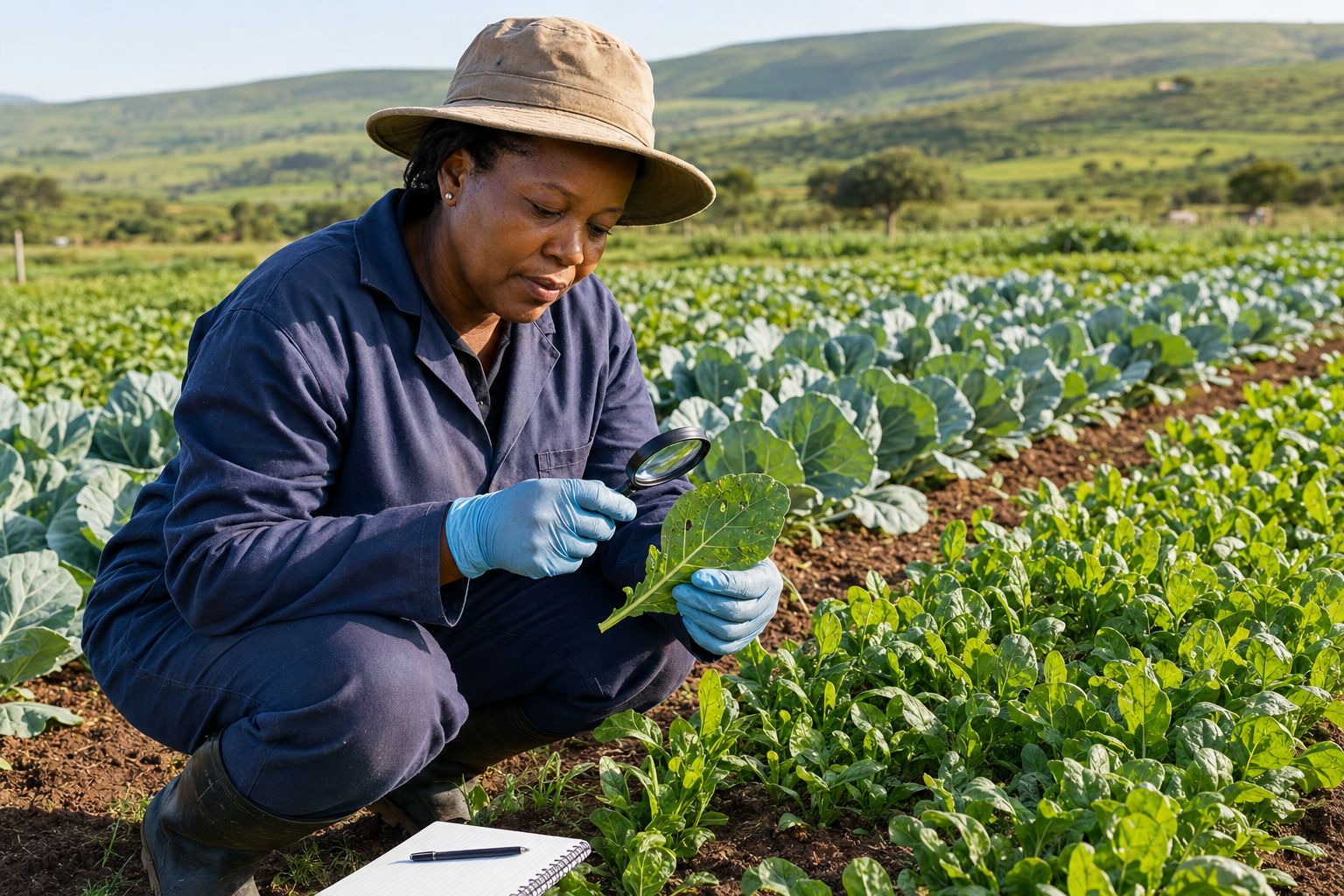
Crop inspection, also known as scouting, should be completed regularly throughout the growing season.
A practical inspection routine includes:
- Walk through different parts of the field.
- Inspect both healthy-looking and damaged plants.
- Check the upper and lower surfaces of leaves.
- Examine stems, roots, flowers and fruit.
- Look for insects, eggs, droppings, spots or damaged tissue.
- Check field edges where problems may first appear.
- Record the location and severity of the damage.
- Take clear photographs for comparison or identification.
- Review the field again to see whether the problem is spreading.
Keeping simple records helps farmers understand when a problem started, which areas were affected and whether the selected control method worked.
Preventing Problems Before They Spread
Prevention is often easier and less expensive than controlling a severe outbreak.
Farmers can reduce crop problems by:
- Using healthy seed and planting material
- Selecting crops suitable for local conditions
- Providing appropriate plant spacing
- Improving drainage
- Avoiding unnecessary overwatering
- Removing badly infected plant material
- Cleaning tools and equipment
- Controlling weeds before they produce seed
- Monitoring new plants before introducing them
- Maintaining balanced soil fertility
- Keeping storage and working areas clean
Strong crop growth also depends on suitable nutrition. Farmers can enquire about available fertilizers, soil nutrients and crop-protection products for different farming requirements.
Crop Rotation and Field Cleanliness
Planting the same crop family repeatedly can allow particular pests and diseases to remain in the field.
Crop rotation involves changing crop families according to a planned sequence. A suitable rotation may help:
- Interrupt certain pest life cycles
- Reduce the build-up of soil-borne diseases
- Improve nutrient use
- Support soil structure
- Reduce pressure from particular weeds
- Introduce different root systems
Field cleanliness is equally important. Remove unnecessary crop residue, damaged produce, weeds and contaminated material that may shelter pests or disease.
The Agricultural Research Council recommends integrated pest-management practices such as regular monitoring, crop rotation and good crop management instead of relying on one control method. Read the ARC Vegetable Production Guide.
Choosing Crop-Protection Products Responsibly
A crop-protection product should only be selected after identifying:
- The crop being grown
- The pest, disease or weed
- The severity of the problem
- The crop’s growth stage
- The size of the affected area
- Previous products applied
- Weather and field conditions
Before using a product:
- Confirm that it is registered for the crop and problem
- Read the complete label
- Follow the stated application instructions
- Use the recommended protective equipment
- Measure the product accurately
- Observe the required waiting period before harvesting
- Keep application records
- Never combine products unless the label permits it
Applying more product than recommended does not provide better protection. It may damage crops, increase costs and create unnecessary risks.
Protective Clothing and Safe Product Handling
The product label should determine the protective equipment required. This may include:
- Chemical-resistant gloves
- Protective overalls
- Closed safety boots
- A suitable mask or respirator
- Safety glasses or a face shield
- Measuring and application equipment
Products should remain in their original, clearly labelled containers and be stored securely away from children, food, seed, animal feed and water sources.
Application equipment must be checked for leaks or damaged parts. It should be cleaned according to the manufacturer’s instructions after use.
KwaNomfuyo Agri can assist with enquiries about protective clothing, application tools and other farm equipment and safety supplies.
When Agricultural Advice Is Required
Further assistance may be needed when:
- The problem cannot be identified
- Crop damage is spreading quickly
- Several possible causes are present
- The same problem returns every season
- Roots or entire plants are dying
- Previous control measures have failed
- A product label does not list the crop or problem
- Large commercial or community fields are affected
Collect useful information before requesting assistance, including photographs, the crop type, planting date, affected area, symptoms and products previously applied.
Frequently Asked Questions
How often should crops be inspected?
Inspect crops regularly from planting until harvest. Increase inspections during warm, humid or rainy conditions and when previous problems have occurred.
What is the difference between pest damage and disease?
Pest damage may include holes, chewed edges, tunnels or visible insects. Disease may cause spots, rotting, powdery growth or unusual colouring. Some symptoms overlap, so proper identification remains important.
Should every insect be removed?
No. Some insects pollinate crops or naturally control harmful pests. Identify the insect and assess the damage before taking action.
Can crop rotation control every pest and disease?
No. Crop rotation can reduce pressure from certain pests and diseases, but it works best alongside field hygiene, healthy planting material, monitoring and appropriate control measures.
When is the best time to control weeds?
Weeds are generally easier to manage while they are young and before they flower or produce seed.
Can I use the same crop-protection product on every crop?
No. Use a product only when its label lists the relevant crop and problem. Application rates, timing and safety requirements can differ.
What information should I provide when requesting a product?
Provide the crop type, symptoms, affected area, planting stage, photographs and any products already applied. This helps the team check the most relevant available range.
Protect Your Crops Before Problems Spread
Early identification, regular inspection, crop rotation, field cleanliness and responsible product use can help reduce crop losses and support healthier production.
Tell KwaNomfuyo Agri about your crop and the problem you have noticed so the team can check the relevant available crop-protection products, gloves, masks, overalls and application equipment.
Farmers can also explore KwaNomfuyo Agri’s animal feed, fodder and dog-food range and animal-health and medication products for their wider farm requirements.